
New to Baijiu?
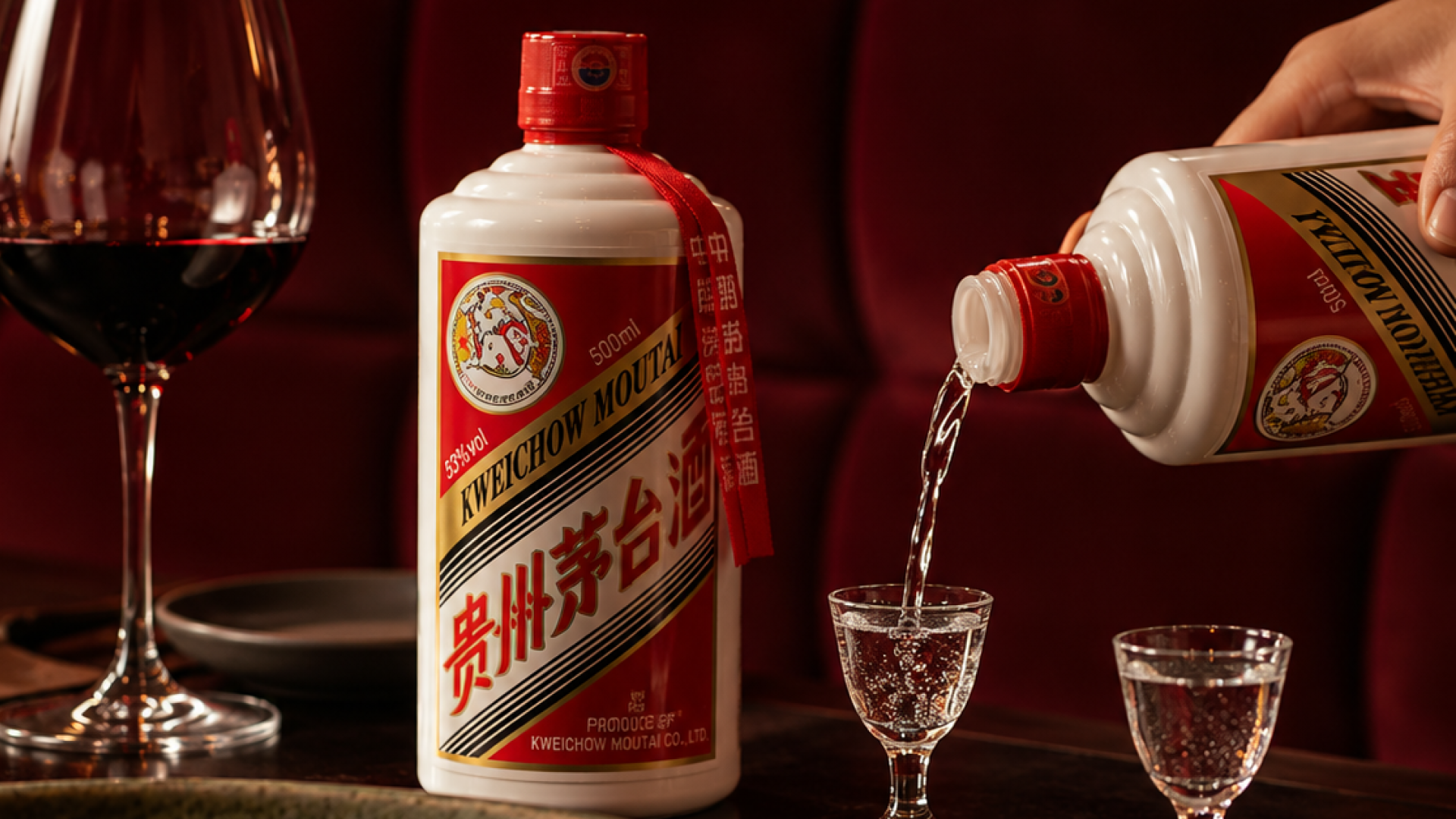
If you know your whisky, you’ll know that the category covers a lot of ground. The same is true of baijiu.
Meaning “white spirit” in Chinese, baijiu is China’s traditional distilled spirit. It is usually made from sorghum or other grains, and can range from clean and delicate to intensely savoury and complex.
It is also one of the most diverse spirit categories in the world. Different regions, producers and production methods create distinctly different styles, so there is much more to baijiu than one familiar flavour.
What makes baijiu different?
One of the things that sets baijiu apart is qu, a traditional grain-based fermentation starter. It contains a mix of microorganisms that ferment the grains and create many of the flavour compounds that give baijiu its distinctive character.
The fermented grains are then distilled, concentrating both alcohol and aromatic compounds. The spirit is usually bottled at around 40–60% ABV, and different batches can be blended or rested to create a particular house style.
The result is a spirit with plenty of personality — and plenty of variety.
Four styles to know
Baijiu is generally grouped into four main aroma styles. They are a useful place to start when exploring the category.
- Qingxiang — Light Aroma
Clean, delicate, floral and dry. This is one of the lighter styles and a good introduction to baijiu. - Mixiang — Rice Aroma
Usually rice-based, with a clean, soft and subtle character. It is often one of the more approachable styles. - Nongxiang — Strong Aroma
Richer and more aromatic, with fruity and sweet notes. Think pineapple, banana and tropical fruit. - Jiangxiang — Savoury Aroma
The most savoury and complex style, with umami, earthy, roasted grain, spice and fermented notes. Kweichow Moutai is the most famous example.
How to drink baijiu
Baijiu is traditionally served neat in a small glass, with a small pour of around 10–15ml enough for tasting. Take a moment to smell it before taking a small sip, then try it alongside food to see how the flavours interact.
Baijiu and Spice Temple
The best way to understand baijiu is to taste it alongside food. At Spice Temple, there are plenty of dishes that bring out different sides of the spirit.
- Strange Flavour Chicken combines aged black vinegar, sesame paste, peanuts and Sichuan pepper for a sweet, sour, nutty and spicy pairing that stands up to baijiu.
- Fish Drowned in Heaven Facing Chillies brings chilli and Sichuan pepper together with fish, celery and bean sprouts, creating the kind of bold, spicy flavours baijiu can match.
- Four Chilli Prawns layer pickled, brined, salted and fermented flavours with fresh prawns, bringing out the savoury side of baijiu.
- Roast Pork Belly comes with strawberry sweet and sour sauce, balancing the richness of the pork with sweetness and acidity alongside the spirit.
Start exploring
Baijiu can be an unfamiliar spirit, but that is part of its appeal. With styles ranging from delicate and floral to rich, fruity and deeply savoury, there is a lot to discover within the category.
Start with a small pour, take your time with it, and try it with food. At Spice Temple, the table is a good place to begin.
Spice Temple practises the responsible service of alcohol. Drink responsibly.



HUNTER STREET HOSPITALITY REWARDS
One membership. Many places and ways to feel welcome.
Complimentary to join. Exclusive menus, dining credit and curated experiences, across every Hunter Street Hospitality venue with benefits that begin the moment you sign up. Welcome to Hunter Street Hospitality Rewards.
You’re invited
Join now and receive a $25 dining credit towards your next visit T&Cs Apply.