
Think You Know German Food?
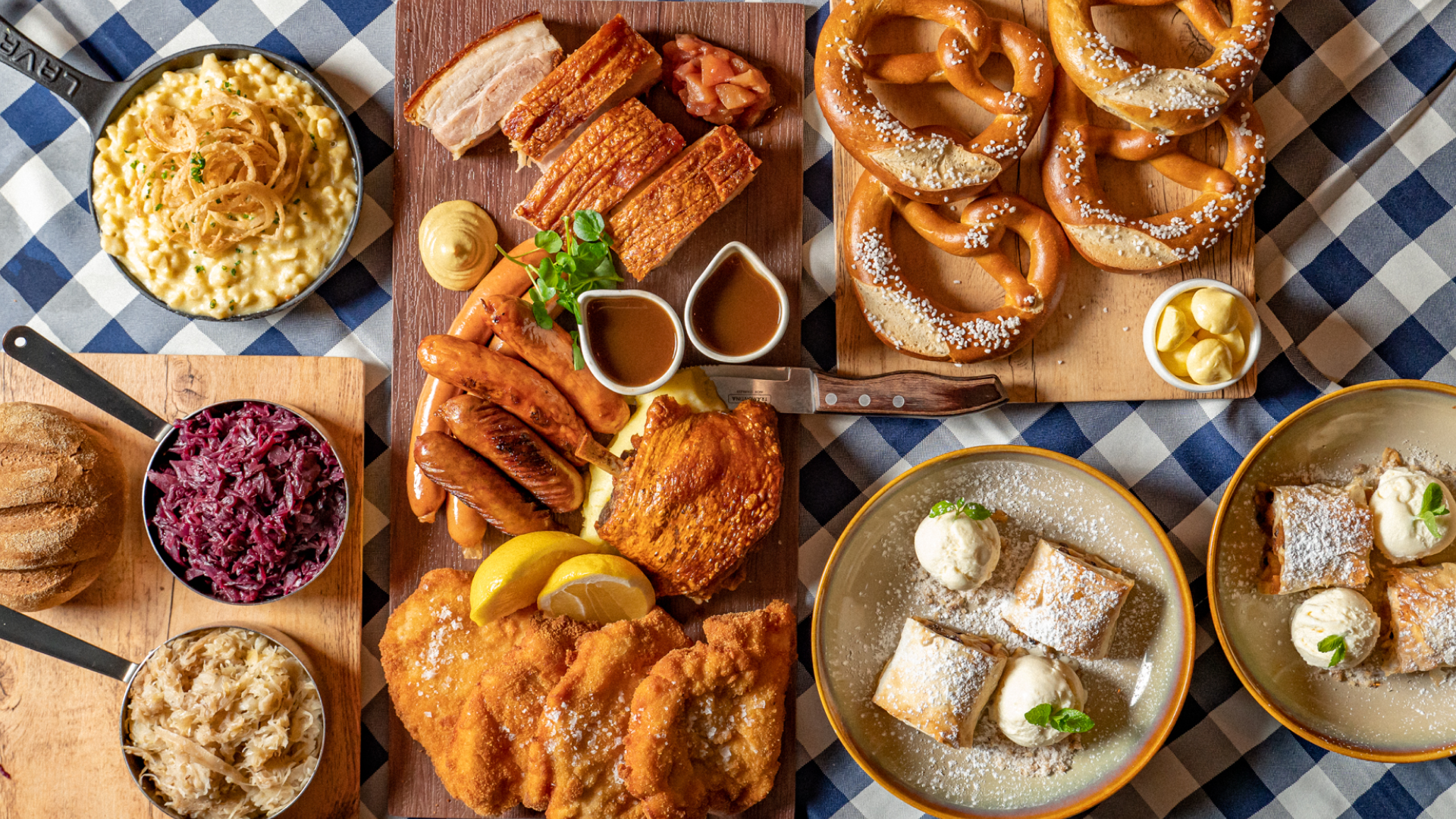
Ask most people what food Germany is known for and you’ll probably hear schnitzel and pretzel. Fair enough. But there’s plenty more going on.
The Sausage With Its Own Sauce
Currywurst wasn’t born in a Bavarian beer hall. It came from a Berlin food stall in 1949, when Herta Heuwer mixed ketchup with curry powder traded from British soldiers and poured the sauce over a grilled sausage.
It became one of Germany’s most beloved street foods — and eventually got its own museum.
The German Roast That’s Worth the Wait
Sauerbraten is Germany’s slow-burn answer to the Sunday roast. The beef is marinated for days in vinegar, wine and spices before it ever reaches the pan, helping tenderise tougher cuts of meat.
It’s an old technique with a very practical beginning: before refrigeration, a good marinade could help preserve meat as well as soften it.
The Side That’s Not Playing Sidekick
Kartoffelsalat might sound like a supporting act, but in Germany, that depends very much on where you are.
In the south, you’ll find it warm, dressed with vinegar, mustard and bacon. Further north, it’s more likely to be cool and creamy. Either way, Germans aren’t exactly shy about piling it onto the plate.
Schnitzel and pretzel may get the glory, but there’s a whole lot more to German food than the two classics we know best.
Try something beyond schnitzel. Book your table at The Bavarian.
The Bavarian practises the responsible service of alcohol. Drink responsibly.




HUNTER STREET HOSPITALITY REWARDS
One membership. Many places and ways to feel welcome.
Complimentary to join. Exclusive menus, dining credit and curated experiences, across every Hunter Street Hospitality venue with benefits that begin the moment you sign up. Welcome to Hunter Street Hospitality Rewards.
You’re invited
Join now and receive a $25 dining credit towards your next visit T&Cs Apply.